Tuckpointing & Repointing Services
Restore your brick walls with expert mortar joint repair that stops water damage and brings back structural strength.
Tuckpointing vs Repointing
Most people use these terms the same way, but they actually describe two different techniques. Understanding the difference helps you know what your brick walls need and why.
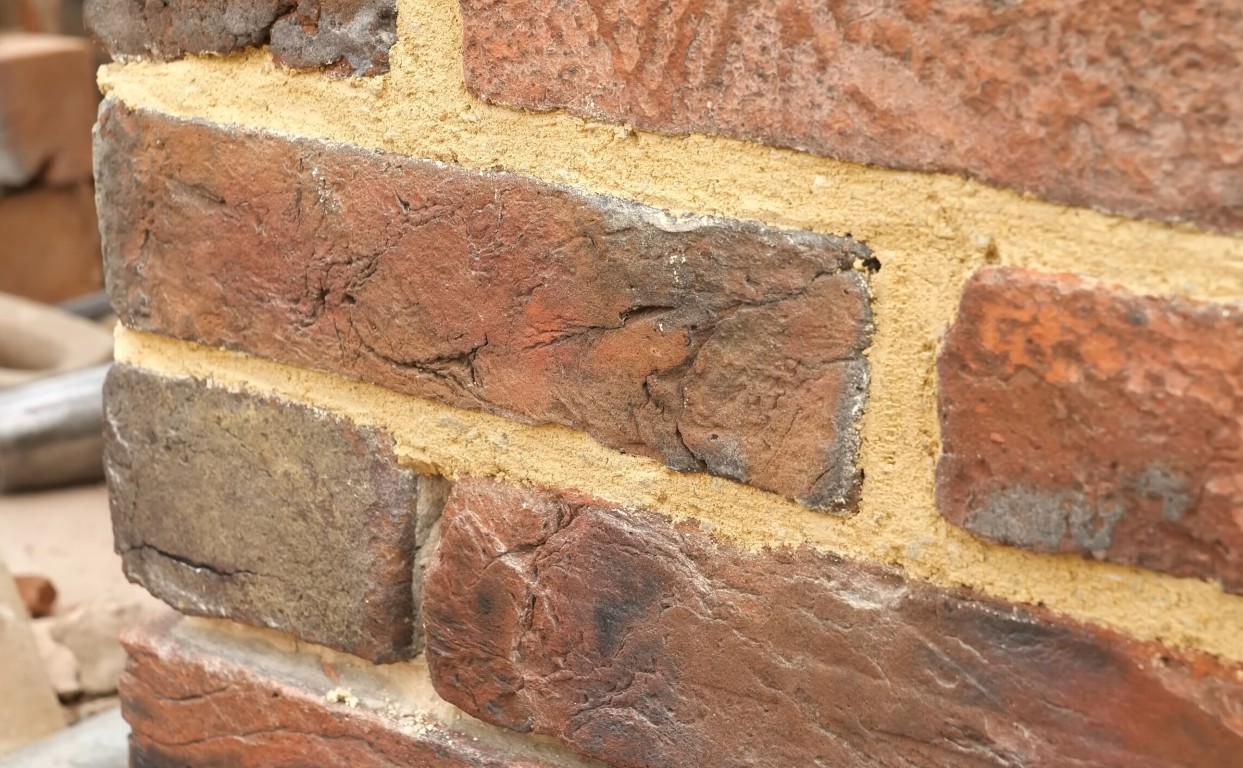
Repointing means removing damaged mortar from between bricks and filling the joints with fresh mortar. This is the most common repair for old brick walls. The new mortar restores the weather seal and holds the bricks together properly. You need repointing when the mortar becomes soft, crumbly, or starts falling out of the joints.
Tuckpointing is a decorative technique where we use two colors of mortar. We fill the joints with mortar that matches the brick color, then add a thin line of contrasting mortar in the center of each joint. This creates crisp, straight lines that make the brickwork look perfect. True tuckpointing takes more time and skill, so it costs more than standard repointing.
Here in Rancho Cucamonga, most homes just need repointing to fix weather damage. We use high quality mortar that matches your existing joints in color and strength. The repair work blends in so well you cannot tell which joints are new. Looking for other ways to protect your home? Visit our homepage to explore our full range of masonry services.
Why Your Mortar Joints Deteriorate
Mortar is actually softer than brick by design. This lets the mortar absorb stress and movement instead of the bricks cracking. Over time, this means mortar wears out first. That is exactly what should happen. The problem comes when you ignore deteriorating mortar and let water get behind the bricks.
Weather and Water Damage
Our California sun bakes mortar and causes it to shrink and crack. When winter rains come, water seeps into those cracks and damages the wall from inside. The freeze thaw cycle (even our mild winters have some freezing) makes cracks worse each year. Once water gets behind the bricks, you end up with spalling, efflorescence, and structural damage.
Age and Poor Materials
Old mortar simply wears out after 50 to 75 years. Homes built before 1950 often used lime based mortar that breaks down faster than modern Portland cement mixes. We also see problems with walls built using the wrong mortar mix. When contractors use mortar that is too hard, it does not move with the bricks and cracks quickly. We match our mortar to your specific brick type for lasting results. If your bricks are also damaged, check out our brick repair services.
Ground Contact and Poor Drainage
Walls that touch soil or have plants growing against them deteriorate faster. Moisture wicks up from the ground into the mortar joints. Poor drainage around your foundation makes this worse. We often find the worst damage on the north side of buildings where walls stay damp longer. Proper drainage and keeping plants away from brick walls extends mortar life significantly.
Signs You Need Tuckpointing or Repointing:
- •Mortar that crumbles when you scratch it with a screwdriver
- •Gaps between bricks wider than a quarter inch
- •Mortar that has fallen out of the joints
- •Loose or shifting bricks
- •White powder (efflorescence) on the wall surface
- •Visible cracks running through the mortar joints
Our Professional Tuckpointing Process
Quality tuckpointing requires the right tools, materials, and techniques. We follow a proven process that delivers work lasting 50 years or more. Every step matters for getting results that look great and protect your home.
First, we carefully remove old mortar to the proper depth, usually about three quarters of an inch. We use special grinders and hand tools to avoid damaging the bricks. This is slow, careful work. Rushing this step leads to weak joints and damage to the brick edges. We clean all dust and debris from the joints before moving to the next step.
Next comes mortar mixing. We blend the mortar to match your existing joints in both color and strength. The mortar must be softer than the bricks but strong enough to handle weather and movement. We test the consistency and adjust the mix throughout the day as temperature and humidity change. Getting the mix right makes the difference between repairs that last and repairs that fail.
Finally, we pack fresh mortar into the joints and tool them to match your wall's original profile. The mortar needs to be packed tightly with no air pockets. We shape each joint for proper water shedding and appearance. After tooling, the mortar cures for several weeks. We explain the curing process and any precautions you need to take. Need help with other masonry features? We also provide expert chimney repair and rebuilding.
Frequently Asked Questions
Stop Water Damage with Expert Tuckpointing
Get your free estimate today. We will inspect your mortar joints and provide honest recommendations for repairs.