Loading...
Serving Rancho Cucamonga, CA and surrounding areas. (909) 515-5018
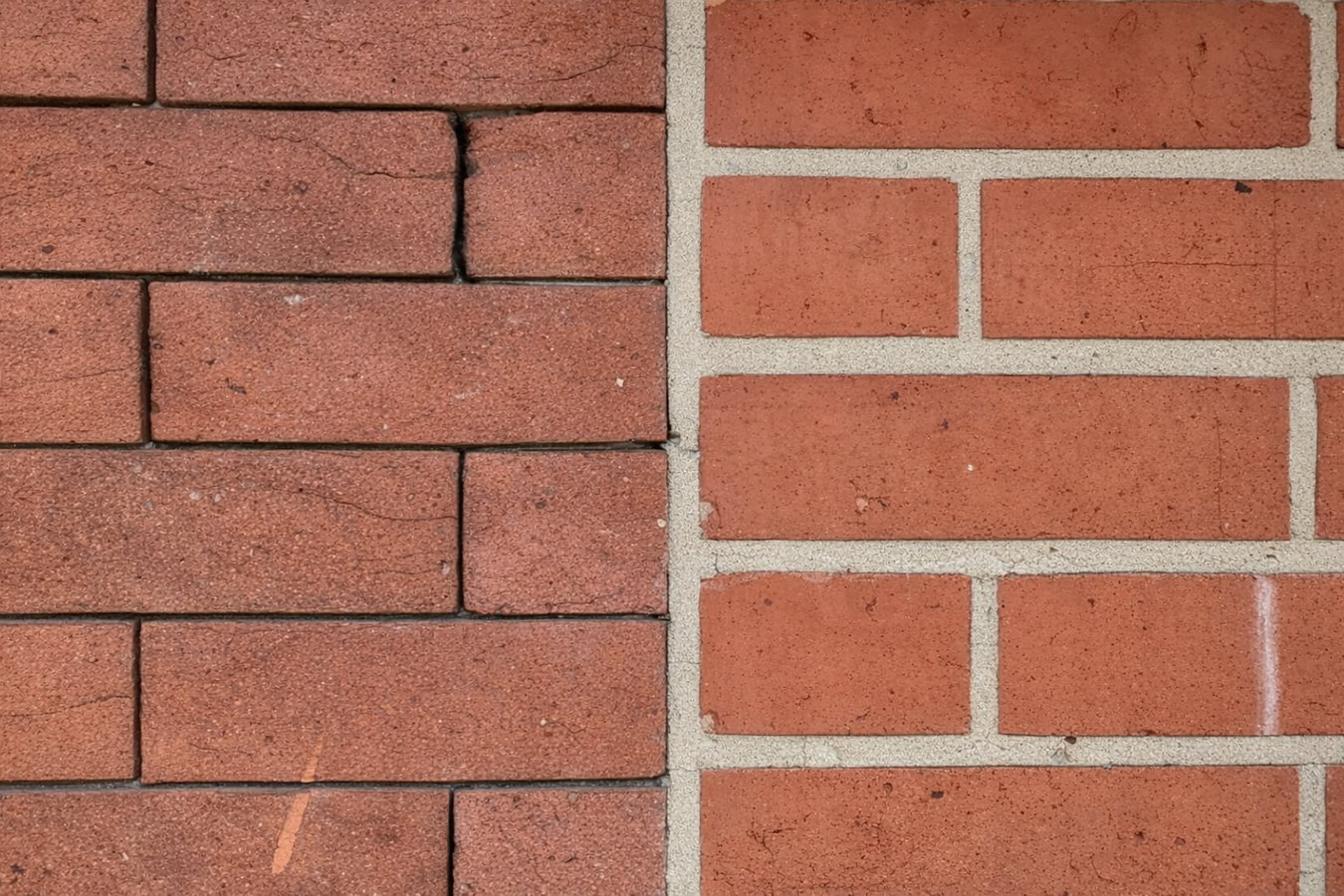
Crumbling mortar is an early warning sign. We remove the old, failing material and pack fresh mortar that holds up against Rancho Cucamonga's heat, Santa Ana winds, and seismic activity.
Brick pointing - also called repointing - is the process of removing crumbling mortar from the joints between bricks and replacing it with fresh material. The mortar joints are what keep water out and hold the wall together. Most mortar has a lifespan of 25 to 50 years, while the bricks themselves can last well over a century if the mortar is maintained. In Rancho Cucamonga, heat and Santa Ana winds accelerate mortar breakdown - homeowners here often need to address failing joints sooner than in cooler or more sheltered climates. Most small-to-mid-size pointing jobs are completed in one to three days.
Catching deteriorating mortar early is almost always cheaper than repairing bricks or a damaged wall structure later. Many homes in the older neighborhoods of Rancho Cucamonga - built in the 1970s through 1990s with brick chimneys, decorative veneers, or block perimeter walls - have never had their mortar touched. If your home is 30 or more years old, that is worth a look. Homeowners who are also dealing with wider masonry problems - deteriorating bricks, crumbling joints across a facade, or structural concerns - often find that foundation repair or masonry restoration work makes sense alongside a pointing job.
Brick pointing does not require you to vacate or move furniture. The work happens outside, and a professional crew will clean up before leaving each day.
Stand a few feet back from any brick wall, chimney, or block fence and look at the lines between bricks. If those lines look sunken, crumbly, or show gaps where material has fallen away, the mortar is failing. This is the most obvious sign - and the sooner you address it, the less likely you are to deal with water damage or structural problems.
After a windy day - especially following a Santa Ana wind event - check the ground at the base of any brick wall or chimney. Fine gray powder or small chunks at the base are mortar that has been loosened and fallen out. The dry, abrasive winds in Rancho Cucamonga accelerate this kind of erosion in ways that do not happen as quickly in coastal climates.
If you have felt even a minor tremor and notice new hairline cracks running along the mortar joints of a wall or chimney, that is worth taking seriously. The Inland Empire's seismic activity can stress mortar joints in ways that are not visible until a small shake reveals them. These cracks let water in and can widen over time.
White, chalky streaks or patches on brick faces - especially after rain - are a sign that water is moving through the wall and carrying mineral deposits with it. This almost always means the mortar joints are no longer keeping water out. Left alone, moisture can damage the wall structure and anything behind it.
Every pointing job starts with a close visual inspection of all mortar joints - checking how deep the damage goes, whether any bricks are cracked or loose, and whether the surrounding structure looks sound. We explain what we find in plain terms before providing a written estimate. Old mortar is removed to the right depth - approximately three-quarters of an inch - using grinders and hand tools, then fresh mortar is packed into the joints in careful layers and finished to match the profile of the original work. We take mortar color matching seriously, and for projects where appearance matters, we provide samples before work begins. For homeowners dealing with related issues - damaged bricks, failed tuckpointing joints, or chimney deterioration - we can scope those repairs as part of the same visit so you have one estimate covering everything.
Drop cloths are placed before work begins to catch debris. The crew cleans up the work area - including wiping mortar smears from the brick face - before leaving each day. The finished result should blend in, not draw the eye.
Best for homeowners with chimneys showing crumbling or missing mortar joints, staining, or visible deterioration on any side of the stack.
Best for homeowners with aging concrete block or brick fences where mortar has broken down from UV exposure, heat, or seismic stress.
Best for homeowners with brick accents or full brick exterior facades on homes built in the 1970s through 1990s that have never had their mortar replaced.
Best for homeowners with decorative or structural stone and brick walls where failing mortar joints are allowing water infiltration or structural movement.
Rancho Cucamonga's summer heat - regularly above 100 degrees F - causes mortar joints to expand and contract repeatedly throughout the year. This thermal cycling breaks mortar down faster than in cooler climates. The Santa Ana winds that blow through the Inland Empire each fall and winter pull moisture out of joints and carry fine grit that slowly erodes exposed surfaces. Homeowners in the Etiwanda and Alta Loma areas - which tend to sit in the direct path of those winds - often see faster mortar deterioration on the windward side of their homes. The Brick Industry Association publishes technical guidance on mortar selection and joint finishing that experienced masons use to ensure pointing work holds up in demanding climates. Homeowners in Rancho Cucamonga benefit from contractors who apply those standards to the specific conditions here.
Many of Rancho Cucamonga's established neighborhoods - particularly near the Etiwanda and Alta Loma areas - include homes built from the 1970s through the 1990s with brick veneers, block walls, and brick chimneys that are now reaching the age when mortar naturally starts to fail. The city also sits near several active fault systems, and even minor earthquakes can open small cracks in mortar joints over time. Homeowners in communities like Upland face the same combination of heat, wind, and seismic exposure - and the same climate-matched mortar approach applies across all our Inland Empire work.
You call or send a message describing the structure and roughly how large the area is. We ask a few basic questions and schedule an on-site visit within a few days. We respond within one business day.
We walk the area with you and look closely at the joints - checking depth of damage, any cracked or loose bricks, and whether the surrounding structure looks sound. You get a written estimate with scope, materials, timeline, and cost. Color samples are available if matching matters to you.
You clear the work area - move furniture, potted plants, and vehicles within a few feet of the wall. Drop cloths go down before work begins. Old mortar is removed by grinder and hand tools to the correct depth, which is what makes the new bond hold.
Fresh mortar is packed into joints in layers and finished to match the original profile. The crew wipes down the brick face before leaving. New mortar needs 24 to 48 hours before it gets wet, and about a week to reach full strength - your contractor will tell you what to avoid during that window.
Free on-site assessment, written estimate, no obligation. We respond within one business day.
(909) 515-5018Shallow repairs fail fast. We remove old mortar to approximately three-quarters of an inch - deep enough for the new material to bond properly. This is the step most rushed jobs skip, and it is the reason many repointing jobs need to be redone within a few years.
We use mortar mixes suited to the Inland Empire's heat and dry conditions, and we schedule work during the cooler parts of the day during summer. Mortar applied in 105-degree heat without precautions fails faster than mortar set in controlled conditions.
We walk the wall with you before writing an estimate and show you exactly where mortar is failing and where it is not. You are making a decision based on what you can see, not just what we tell you. Written estimates include scope, timeline, and cost with no surprises at invoice.
Rancho Cucamonga sits near active fault systems. We know to look for earthquake-related stress patterns in mortar joints - not just ordinary age-related wear - because the two require different assessments and sometimes different solutions. Local references available through the Mason Contractors Association of America.
Brick pointing is one of the most cost-effective masonry investments you can make - a small job now prevents a much larger one later. Every pointing project we take on in Rancho Cucamonga is held to the same standard we would apply to our own homes.
Hiring a contractor in California? The California Geological Survey maps seismic hazard zones across the state - useful context if your brick walls have shown new cracking after recent seismic activity.
Address settling, cracking, or water infiltration at the foundation level before damage works its way up into walls and finishes.
Learn MoreRestore deteriorating mortar joints with a two-color finish technique that brings aging brick and block walls back to a clean, finished look.
Learn MoreSpring and fall booking windows fill quickly in Rancho Cucamonga - contact us now to lock in your date.