Loading...
Serving Rancho Cucamonga, CA and surrounding areas. (909) 515-5018
RCM Rancho Cucamonga Masonry installs driveway pavers, builds block walls, constructs retaining walls, and handles foundation flatwork for homeowners across Chino, CA. We have served the Inland Empire since 2020 and understand the expansive clay soils and tract-home building stock that define Chino properties - work that requires proper base preparation and drainage planning to hold up through the area's wet-dry soil cycles. Every inquiry gets a reply within 1 business day.
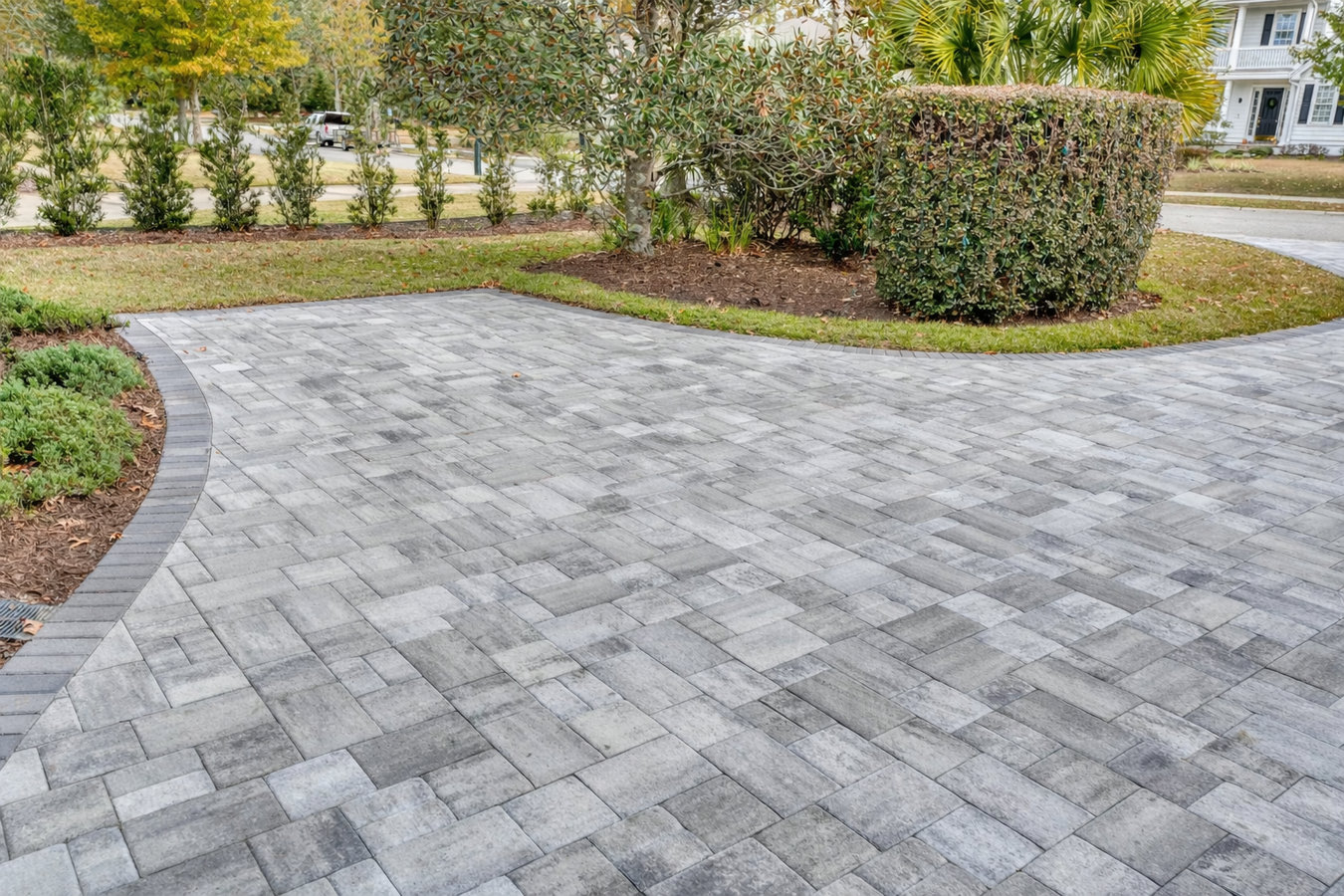
Chino homes built between 1980 and 2005 have original concrete driveways that are now 20 to 40 years old and showing the effects of clay soil movement and Inland Empire heat. Paver driveways outperform poured concrete replacement on this soil type because they flex with seasonal ground movement instead of cracking through. Our driveway paver installation includes proper base depth and compaction suited to Chino's clay-heavy soils so the finished surface holds up through multiple wet-dry cycles.
Block wall fencing is standard on Chino residential properties, and walls installed in the 1980s and 1990s during the city's rapid growth period are now showing the effects of clay soil expansion and freeze-thaw cycling at the footing level. Walls on these soils need footings that go deep enough to stay below the zone of seasonal moisture change - a detail that many original builders cut corners on.
Some Chino neighborhoods - particularly those developed on former farmland that was graded for drainage - have lot-to-lot grade differences that require retaining walls rather than simple block fencing. Clay soil behind a retaining wall generates significant water pressure during rain events, and walls without proper drainage provisions behind them are a common failure point in this city.
Most Chino homes sit on slab-on-grade foundations built on land that was converted from dairy farming use starting in the 1980s. The clay-heavy soils on former agricultural land expand and contract significantly with moisture changes, and slab foundations here can develop cracks, uneven sections, and interior floor movement when those soil shifts accumulate over decades.
Concrete walkways on Chino properties from the 1980s and 1990s crack and shift for the same reasons driveways do - clay soil movement and sustained heat that cycles through wet and dry seasons year after year. Replacing aging walkways with pavers or properly prepared concrete improves safety, curb appeal, and drainage on properties where pooling water is a recurring issue.
Chino tract homes from the 1980s and 1990s often have brick detailing on front entries, chimney stacks, and garden planters that is now 25 to 40 years old. Summer heat above 100 degrees accelerates mortar breakdown in these features, and spalling brick on a street-facing element affects the property's curb appeal and the impression it makes on buyers if the home is listed.
Chino grew rapidly between 1980 and 2005 as dairy farms were converted to residential subdivisions and master-planned communities. The result is a city where a large share of homes are now 20 to 40 years old and reaching the age where original exterior materials - concrete driveways, block wall fencing, brick entry details - need real attention. What makes Chino different from a typical aging suburb is the soil. Most of the land that Chino was built on was agricultural, with clay-heavy soils that were engineered for farming and then graded flat for housing development. Clay soil behaves differently from the sandy alluvial soils in foothill cities - it holds water longer, swells more dramatically when wet, and shrinks noticeably when dry. That seasonal movement is one of the primary reasons concrete flatwork and block walls crack here even on homes that are only 20 or 25 years old.
The climate pushes the issue further. Chino summers regularly hit 95 to 105 degrees, and that sustained heat pulls moisture out of the soil aggressively between rain seasons. The gap between the wet-season high and the dry-season low in soil moisture is one of the most extreme in the region, which means the cycle of expansion and contraction beneath foundations, driveways, and block wall footings here is more pronounced than in cities with more moderate temperature swings. Contractors who are not familiar with this specific condition tend to underestimate base depth requirements and drainage needs, and the result is flatwork that starts showing movement within five years. Santa Ana winds in fall add surface stress to masonry that is already being worked by soil movement from below, making post-storm inspections a worthwhile habit on properties where older block walls or flatwork exists. The California Geological Survey maps expansive soils as a recognized hazard across much of the Inland Empire, and Chino sits squarely in a high-risk zone for this condition.
Our crew works throughout Chino regularly, and we pull permits through the City of Chino Building and Safety Division for masonry projects that require one. Chino covers about 30 square miles and includes a wide range of neighborhoods from the older grid streets near downtown to the newer master-planned communities in south Chino closer to the Chino Airport. Many of the homes in The Preserve - one of Chino's largest planned communities on former dairy land - are now 15 to 20 years old and entering the window where original driveways, block walls, and flatwork need attention.
We also work on properties in north Chino closer to Eucalyptus Avenue and the neighborhoods that border Ontario and Montclair, where the housing stock is older and the repair needs are different - more foundation flatwork, more tuckpointing on original brick details, and more block wall replacement where walls from the 1980s have reached end of life. Understanding where a property sits in Chino's development timeline helps us assess what to look for before we even start the site walk.
We also serve homeowners in neighboring Chino Hills, CA, which borders Chino to the south and has its own distinct set of slope and drainage challenges from the hilly terrain. To the north, we cover Ontario, CA, which shares a similar tract-home building stock and clay soil profile. If you have a neighbor or family member in either city, we handle those areas with the same crew and the same standards.
Call us or submit the online contact form describing what you are seeing. We reply within 1 business day to confirm the project type and schedule a site visit. You do not need a detailed plan - a description of the problem and some photos if you have them is plenty.
We visit the property, assess the masonry condition and soil factors, and provide a written estimate breaking down materials and labor. If a permit is required, we confirm that at this stage. There is no cost to the estimate and no pressure to commit - review it at your own pace.
We schedule work at a time that fits your household. For driveway projects, we let you know the minimum time before you can drive on the finished surface. The crew cleans the work area at the end of each day and keeps disruption to the rest of the property to a minimum.
When the job is done, we walk the finished work with you to confirm it matches the estimate. For permitted projects, we coordinate the inspection so it is properly documented. Any questions that come up after we leave can be directed to us directly.
We serve all of Chino and surrounding Inland Empire communities. Call us or fill out the form and we will respond within 1 business day.
(909) 515-5018Chino is a city of roughly 90,000 people in San Bernardino County, situated in the western Inland Empire near the intersection of the 60, 71, and 83 freeways. For most of the 20th century it was one of California's largest dairy farming areas, but that agricultural land has been steadily converted to residential development since the 1980s. The result is a city with a wide variety of neighborhood ages - older grid streets near downtown Chino that date from the mid-20th century, large tract developments from the 1980s and 1990s, and newer master-planned communities like The Preserve that were built on former dairy land in the 2000s and 2010s. The Chino, California Wikipedia article gives a thorough overview of the city's history and growth. Chino Airport - also known as Cable Airport - is a well-known local landmark in the southern part of the city, home to the Planes of Fame Air Museum, one of the oldest aviation museums in the country.
Owner-occupied households make up the majority of Chino's housing stock, and most residents moved here specifically to own a home and build equity in it. That investment mindset means homeowners in Chino tend to take maintenance seriously - and with most homes hitting the 20- to 40-year mark, masonry repairs, driveway replacement, and block wall maintenance are at the front of many property-to-do lists. We serve all of Chino, and our neighboring coverage includes Chino Hills to the south and Ontario to the north. If your property sits near the city line, we handle both sides without any coverage gap.
Restore structural integrity and stop foundation damage before it spreads.
Learn MoreBuild solid retaining walls that prevent erosion and support landscaping.
Learn MoreCustom masonry fireplaces designed for beauty, safety, and performance.
Learn MoreAdd natural stone veneer accents that elevate any home or structure.
Learn MoreSturdy concrete block walls for privacy, security, and property value.
Learn MoreSolid block wall foundations engineered to support lasting structures.
Learn MoreCustom outdoor kitchen masonry built for cooking, entertaining, and durability.
Learn MoreBeautiful walkways in brick, stone, or pavers that complement your property.
Learn MoreProfessionally installed brick walls for curb appeal and lasting durability.
Learn MoreOur crew serves all of Chino and the surrounding Inland Empire. Call us today or request a free written estimate online.