Loading...
Serving Rancho Cucamonga, CA and surrounding areas. (909) 515-5018
RCM Rancho Cucamonga Masonry installs brick walls, repairs foundations, performs tuckpointing, and restores masonry on homes throughout Pomona, CA. We have served the Inland Empire since 2020 and understand the mid-century building stock, historic properties in neighborhoods like Lincoln Park, and the seismic reinforcement requirements that apply to masonry work at the eastern edge of Los Angeles County. Every inquiry gets a reply within 1 business day.
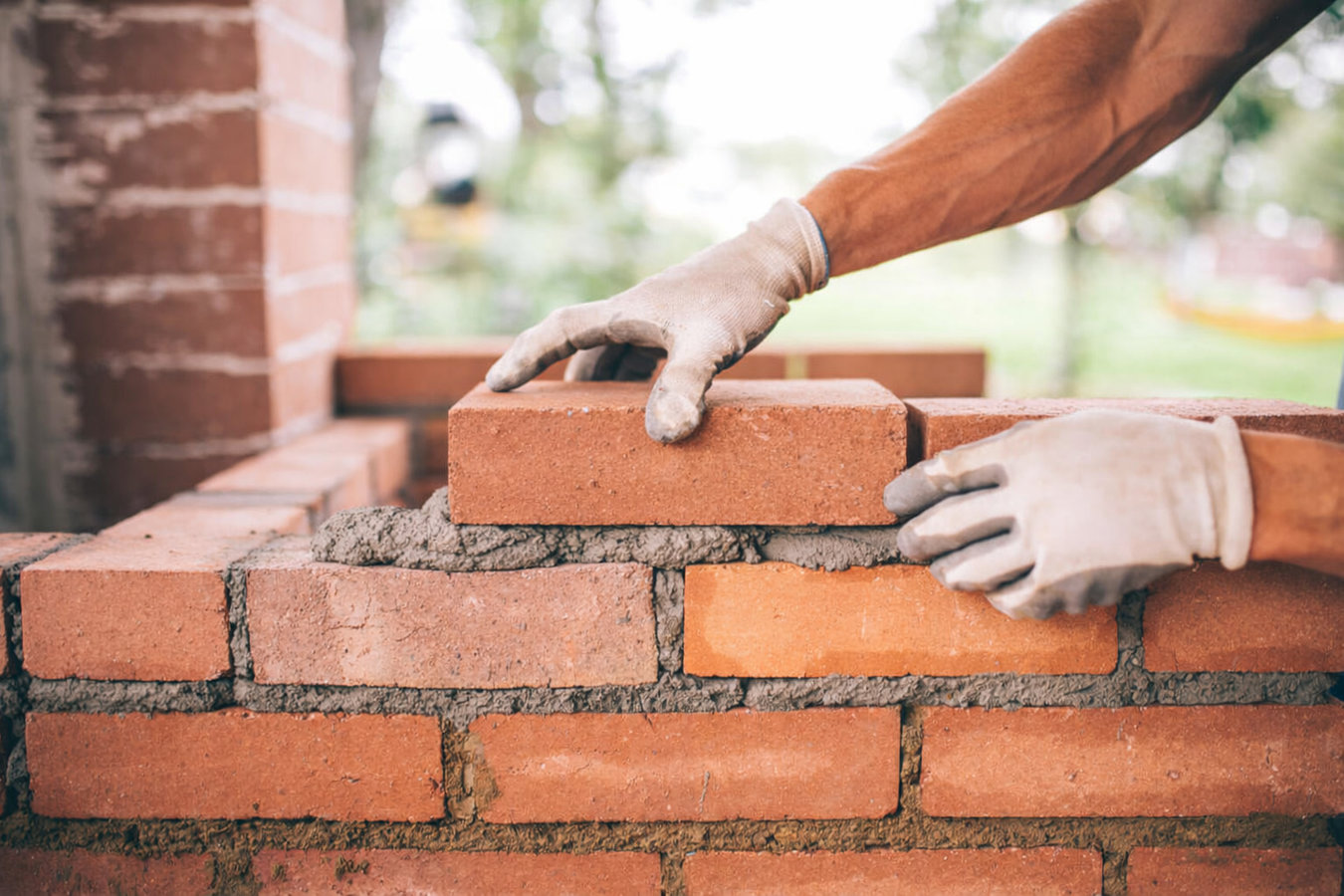
Pomona's older neighborhoods, including Lincoln Park and the streets west of downtown, have a higher concentration of brick-built boundary walls and garden walls than most Inland Empire cities - reflecting the Victorian and Craftsman-era construction that defines those blocks. New brick wall installation on Pomona properties requires careful footing work because decades of tree roots and prior construction have disturbed soils across many of the city's smaller, established lots. Our brick wall installation includes seismic reinforcement, a properly sized footing, and mortar selection matched to the existing masonry on older properties.
Pomona has more pre-1940 brick structures than any other city in the Inland Valley, and the mortar in those walls has been through 80 or more years of thermal cycling and Santa Ana wind seasons. Tuckpointing these older walls requires a softer mortar formulation than modern products - using too-hard mortar on soft historic brick causes the brick faces to spall, which is irreversible and expensive to address after the fact.
Most Pomona homes from the 1940s through 1960s sit on slab-on-grade foundations poured directly on native soils that shift with each wet-dry cycle. The compact lot sizes common in central Pomona mean drainage is often poor around the perimeter, accelerating the soil movement that causes slab cracking and the sticking doors and uneven floors that homeowners notice first.
Pomona's Lincoln Park neighborhood and the historic streets surrounding it have some of the Inland Valley's best-preserved examples of early 1900s residential masonry - brick chimneys, decorative block detailing, and original stone foundations on homes that are now over a century old. Restoring these features without damaging original materials requires matching historic mortars and brick colors, not the standard gray-mortar approach used on postwar construction.
Some of Pomona's residential streets have subtle grade changes between properties, and on lots where the original grading has shifted over decades, standing water and soil creep toward foundations becomes a recurring problem. Retaining walls resolve these drainage and erosion issues at the source rather than managing the symptoms year after year through soil regrading.
Pomona's mid-century ranch homes and bungalows often have brick detailing on front entries, planters, and low boundary walls that is now 60 to 80 years old and showing spalling, cracked faces, and receded mortar joints. Repairing these features - rather than removing them - preserves the character of the original construction and maintains the property's appeal in a market where older homes with original detailing often draw buyer interest.
Pomona sits at the eastern edge of Los Angeles County, where the San Gabriel Valley transitions into the Inland Empire. The city's housing stock spans a wider age range than most Inland Empire neighbors. The oldest neighborhoods - Lincoln Park, the streets around downtown - have homes from the 1890s through the 1930s built in Victorian, Craftsman, and Colonial Revival styles using materials and construction techniques that require specific knowledge to repair without causing damage. The broader mid-century inventory from the 1940s through 1960s is the largest share of the housing stock, and those homes are now reaching 60 to 80 years old - the age range where original concrete flatwork, foundation slabs, and masonry walls regularly start failing. Pomona's compact lot sizes mean drainage around foundations is often poor, which accelerates soil movement and the foundation problems that follow from it.
The climate here drives the maintenance cycle on the exterior materials. Summer temperatures in Pomona regularly hit 95 to 105 degrees, and the city is in the path of Santa Ana wind events that blow hot and dry from the inland deserts each fall. That combination - extreme summer heat, low humidity, and fall wind events - is hard on mortar, caulk, and any masonry that has already developed small surface cracks. Water from winter rains enters those cracks, and on nights when temperatures drop below freezing - which happens in Pomona during cold clear winter nights - that water expands and forces the crack wider. The City of Pomona Building and Safety Division requires permits and seismic-compliant reinforcement for structural masonry work, which ensures any new or replacement walls are built to standards that protect both the structure and its long-term value.
Our crew works throughout Pomona regularly, and we pull permits through the City of Pomona Building and Safety Division for masonry projects that require one. Pomona covers about 23 square miles and the character shifts noticeably between neighborhoods. The streets near the Fairplex and the neighborhoods on the west side tend to have smaller lots and the kind of dense, mid-century residential blocks where tight yard access requires planning the material delivery and equipment setup before the crew arrives. The streets closer to Cal Poly Pomona on the east side of the city tend to have larger lots and newer construction where the masonry needs are different - more new work, less restoration. Knowing these neighborhood differences helps us show up with the right materials and a realistic project plan rather than learning the site on arrival.
The Lincoln Park neighborhood is where we see the most specialized masonry requests - homes on the National Register of Historic Places or in the local historic district where material selection matters. If you own a home in that neighborhood, we can discuss the approach before writing an estimate, because the right assessment upfront saves time and avoids mistakes on irreplaceable original materials. We also serve homeowners in neighboring Claremont to the north and Chino to the east, so if your property is near the city boundary, getting us out for a look costs you nothing.
Call us or fill out the contact form. Every inquiry gets a response within 1 business day. We schedule a site visit at a time that works for you - no waiting weeks for a callback.
We walk the property, assess existing masonry conditions, evaluate drainage and soil around the work area, and measure the scope. You receive a written estimate with a line breakdown of materials and labor - nothing verbal - before agreeing to anything. We address cost questions at this stage so there are no surprises later.
For structural masonry projects, we handle the permit application with the City of Pomona and schedule inspections at the required checkpoints. You don't need to be present during the work, but we keep you updated on progress and flag any site conditions that affect the original scope.
We walk the completed work with you before calling the job done. All debris, material bags, and equipment leave the property with the crew. If anything on the scope needs adjustment, we take care of it before closing out the project.
We serve homeowners across Pomona, CA - from Lincoln Park and the historic district to the neighborhoods near Cal Poly and the Fairplex. Call us or fill out the form and we will respond within 1 business day.
(909) 515-5018Pomona sits at the eastern end of Los Angeles County, bordered by Ontario, Chino, Diamond Bar, and Claremont. With over 150,000 residents spread across about 23 square miles, it is one of the larger cities in the region. The city's residential character is defined by its range of housing ages. The Lincoln Park neighborhood in central Pomona has one of the highest concentrations of Victorian, Craftsman, and Colonial Revival homes in the Inland Valley - many built in the late 1800s and early 1900s and listed on the National Register of Historic Places. Moving outward from that core, the housing stock shifts to the smaller ranch-style and bungalow homes from the 1940s through 1960s that make up the majority of the city's residential neighborhoods.
Pomona is home to two major universities - Cal Poly Pomona on the east side of the city and Western University of Health Sciences near downtown - which give the city a stable institutional anchor and a steady residential population in the neighborhoods surrounding each campus. The Fairplex, home of the Los Angeles County Fair, sits on the city's northern edge and is one of the area's most widely recognized landmarks. Most properties in Pomona are single-family detached homes on modest lots with stucco exteriors and block or brick perimeter walls - the combination that defines masonry needs throughout the city. Nearby Claremont to the north and Ontario to the east share similar building stock and masonry demand, and we work regularly across all three cities.
Restore structural integrity and stop foundation damage before it spreads.
Learn MoreBuild solid retaining walls that prevent erosion and support landscaping.
Learn MoreCustom masonry fireplaces designed for beauty, safety, and performance.
Learn MoreAdd natural stone veneer accents that elevate any home or structure.
Learn MoreSturdy concrete block walls for privacy, security, and property value.
Learn MoreSolid block wall foundations engineered to support lasting structures.
Learn MoreCustom outdoor kitchen masonry built for cooking, entertaining, and durability.
Learn MoreBeautiful walkways in brick, stone, or pavers that complement your property.
Learn MoreProfessionally installed brick walls for curb appeal and lasting durability.
Learn MoreWhether you need a new brick wall, foundation repair, or tuckpointing on an older home, our crew handles masonry projects across Pomona. Call today or submit the form and we will follow up within 1 business day.